Tr
Tr Ar
Ar De
De En
En Fa
Fa

Introduction of hatchery industry:
Incubator
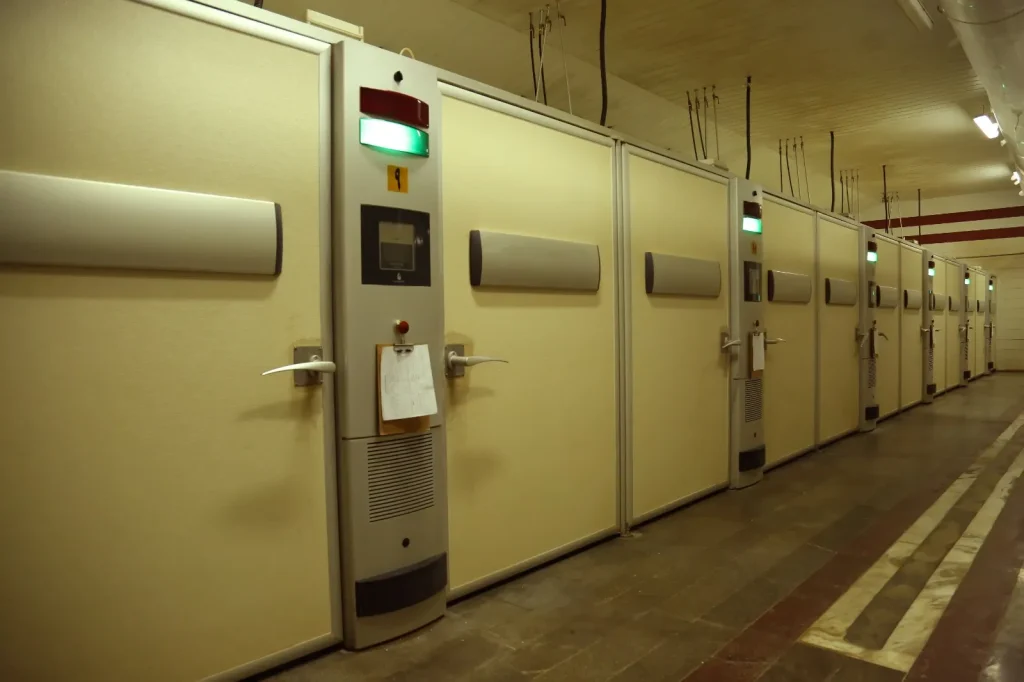
An incubator is a device that provides the optimal conditions for hatching chicks from fertilized eggs. In natural incubation, the mother hen regulates the temperature, humidity, and turns the eggs. However, in artificial incubation, modern incubators employ advanced technologies such as artificial intelligence and highly sensitive sensors to enhance hatching efficiency.
Advantages
Artificial incubation offers numerous and undeniable advantages over natural incubation, such as:
- Elimination of the need for broody hens: Incubation can be carried out at any time of the year without relying on hens going broody.
- Large-scale incubation: A significantly greater number of eggs can be incubated simultaneously compared to natural methods.
- Disease control: The risk of disease and contamination can be effectively managed.
These advantages and others have led to the widespread adoption of artificial incubation worldwide, rendering natural incubation obsolete.
Incubation conditions
Artificial incubation conditions:
A broody hen, when incubating fertilized eggs, provides optimal conditions of temperature, humidity, and oxygen supply, and turns the eggs using her beak. An incubator serves the same purpose in artificial incubation. These conditions are as follows:
Temperature: The ideal temperature for hatching most birds is 37.8 degrees Celsius. Temperatures above or below this can lead to the death of the embryos. Incubators use heaters to maintain the optimal temperature.
Humidity: The desired humidity level for incubation is between 55% and 65%.
Ventilation and Oxygen Supply: The embryo receives the necessary oxygen through pores in the eggshell, and carbon dioxide exits through these pores. The ideal oxygen level for incubation is between 10% and 20%. For every 1% decrease in oxygen concentration, hatching efficiency decreases by 5%. Additionally, if the carbon dioxide concentration in the air reaches 5%, incubation becomes impossible, and the embryo dies inside the egg.
Egg Turning: Turning the eggs is essential to prevent the embryo from sticking to the eggshell. In natural incubation, a broody hen typically turns the eggs 6 times a day using her beak.
An incubator mimics this process by turning the eggs completely every 4 hours.
Incubation methods:
In industrial incubators, there are two common methods of incubation. In single-stage incubators, the incubator contains eggs with embryos of the same age. The advantage of single-stage incubation is that the environmental conditions can be precisely adjusted to meet the specific needs of the growing embryos. In multi-stage incubators, the setter contains eggs with embryos of varying ages. Consequently, the environmental conditions cannot be precisely adjusted to meet the needs of all growing embryos, and a compromise must be made to provide the best conditions for all age groups within the setter. In a multi-stage incubator, the heat generated by older embryos is utilized to warm younger embryos. To accommodate the varying physical demands of different developmental stages, multi-stage equipment is often used, however, true single-stage (Real Single-Stage) incubators are also available.
Multi-Stage
Single-Stage
Real Single-Stage
Features of Modern Incubators
Chamber:
In older incubators, metal was used to construct the body or chamber of the device. Metal, being a poor heat insulator, was unable to maintain the optimal temperature inside the incubator, and rusting reduced hatching efficiency. In modern incubators, materials like PVC have replaced metal to address this issue. PVC also offers superior disinfecting properties compared to metal.
Artificial Intelligence:
Modern incubators utilize artificial intelligence and fuzzy logic to regulate humidity and temperature. With this technology, the device becomes capable of learning. By receiving temperature and humidity data from sensors, it sends the necessary commands to other components to generate appropriate heat and humidity. Even if the incubator’s chamber is opened, artificial intelligence can adjust the temperature and humidity.
Temperature and Humidity Sensors:
Sensors are crucial components in incubators, and any malfunction can lead to the death of fertilized eggs due to suboptimal temperature and humidity. Reputable brands of modern incubators use highly sensitive sensors with military and medical applications in their incubators.
Humidity Supply:
Older incubators used water containers and sponges to supply humidity. Modern incubators employ technologies such as cellulose pads, water pumps, and ultrasonic technology for humidity supply. Cellulose pads, manufactured using nanotechnology, can store up to 10 times their own volume in water. Ultrasonic technology uses ultrasonic waves to separate water molecules and create humidity.
360-Degree Rotation:
The egg-turning process in incubators involves racks transferring motor power to trays, which in turn rotate the fertilized eggs. Older incubators had a 90-degree rotation system, but modern household incubators use a 360-degree rotation system for turning fertilized eggs.